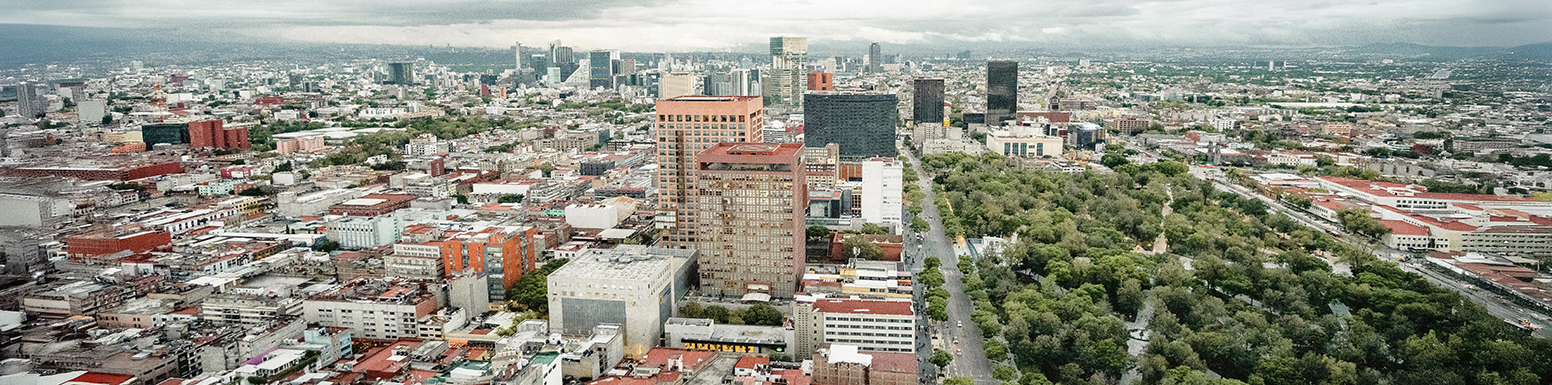
How much do you need to earn to afford housing in Mexico City?
Living in Mexico City has always been complicated, but in recent years, accessing decent housing has become especially difficult for most people. Whether buying or renting, prices have increased faster than wages, creating an increasingly noticeable imbalance.
This problem doesn’t just affect young people starting their professional lives. It also impacts anyone who isn’t part of the small percentage with high incomes or existing assets.
Buying a home: how much do you need to earn?
Today, an average-sized apartment in an area with basic services (transportation, shops, safety) ranges between 2 and 4 million pesos. To afford a mortgage of that amount, monthly income would need to be between 40,000 and 60,000 pesos, depending on the down payment, loan term, and bank conditions.
This excludes the vast majority of the population. The average monthly salary in Mexico City is below 15,000 pesos. Even those with formal jobs and benefits struggle to save enough for a down payment or meet mortgage requirements.
Renting has also become more expensive
Given the difficulty of buying, many people continue renting. However, rental prices have also been steadily rising. A basic rental in a well-located area can cost between 10,000 and 20,000 pesos per month. In many cases, the apartments are not in good condition or require contracts and deposits that create barriers to entry.
Spending more than 30% of your monthly income on rent is already considered a financial burden. But in practice, many people spend between 40% and 60% of their income solely on housing.
CoLiving: a more viable alternative
In this context, CoLiving presents itself as a functional option for those who want to live in well-connected areas without bearing the high costs of traditional rent or mortgage debt. Unlike informally sharing an apartment, coliving is designed to offer private and shared spaces with greater organization and comfort.
Private rooms in these spaces usually include:
- Bed
- Private bathroom
- Desk
- Closet or storage space
While common areas —shared with other residents— typically include:
- Fully equipped kitchen
- Living room or lounge area
- Coworking space
- Washing machines and dryers
- Utilities included (electricity, water, internet, maintenance, and cleaning)
This model allows many people to live in central areas with good infrastructure for a more affordable monthly price than renting a place on their own. It’s an especially useful solution for individuals, professionals, remote workers, separated individuals, or older adults who seek comfort without isolation.
CoLiving doesn’t aim to replace all forms of housing, but it does offer a practical, affordable, and well-equipped alternative for many people at different stages of life.